Understanding Cargo Consolidation in Cost Savings
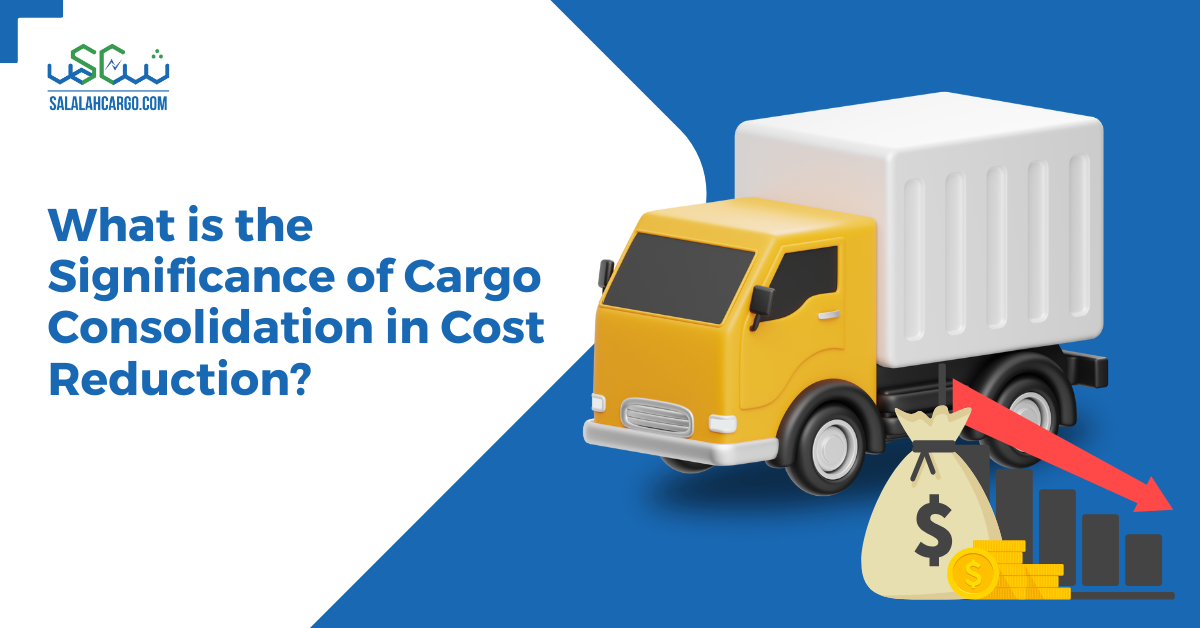
In today’s highly competitive logistics industry, finding effective ways to cut costs without compromising service quality is crucial. Cargo consolidation cost savings have emerged as a game-changing strategy for businesses aiming to optimize their supply chain operations. By combining multiple shipments into a single load, companies can significantly reduce costs while restructuring their logistics processes.
The benefits of freight consolidation are immense for small-scale businesses and multinational corporations. Whether it’s reducing transportation expenses, minimizing handling costs, or improving delivery efficiency, adopting effective cargo consolidation strategies can lead to many advantages. This blog explores consolidation’s importance, the advantages of freight consolidation, and how logistics cost-reduction techniques can transform your shipping operations. Additionally, we’ll discuss the consolidated shipping benefits and highlight the role of cargo consolidation services in achieving sustainable growth.
The Concept of Cargo Consolidation
What is Cargo Consolidation?
Cargo consolidation involves combining smaller shipments from various shippers or locations into a single, larger shipment. This process enables businesses to maximize load capacity, optimize transportation routes, and minimize costs associated with underutilized shipping containers or vehicles.
For instance, instead of shipping several half-full containers, cargo consolidation ensures that goods from different clients or distribution points are merged into a fully loaded container, reducing the overall shipping cost per unit.
Benefits of Freight Consolidation
Cost Efficiency
The most apparent benefit of freight consolidation is cost efficiency. Businesses can share transportation costs across multiple shipments, significantly reducing individual shipping expenses.
Improved Shipping Efficiency
Consolidated shipping minimizes empty space by utilizing full truckload or container capacity, leading to fewer trips and faster deliveries.
Reduced Environmental Impact
Consolidation reduces the number of vehicles or containers on the road, reducing carbon emissions and promoting eco-friendly logistics practices.
Enhanced Supply Chain Management
Using cargo consolidation strategies ensures better coordination among suppliers, distributors, and logistics providers, leading to smoother operations and fewer disruptions.
Cargo Consolidation Strategies
Collaboration with Logistics Providers
Partnering with reliable cargo consolidation services ensures access to expert solutions personalised to specific shipping needs. Logistics providers often have the necessary tools and networks to consolidate shipments efficiently.
Advanced Technology Integration
Leveraging technology such as transportation management systems (TMS) and real-time tracking can help businesses identify opportunities for consolidation and rationalise operations.
Regular Scheduling
Planning shipments at regular intervals allows businesses to pool orders from different clients or locations, optimizing the use of available resources.
Geographical Proximity
Consolidating shipments from nearby locations minimizes additional transportation requirements, further reducing costs.
Freight Consolidation Advantages
Lower Shipping Costs
Freight consolidation spreads transportation costs across multiple shipments, making it an economical choice for businesses.
Reduced Risk of Damage
Fewer individual shipments mean reduced handling and transfers, lowering the risk of damage to goods during transit.
Efficient Customs Procedures
Consolidated freight simplifies customs clearance by consolidating documentation, reducing delays and administrative burdens for international shipments.
Better Inventory Management
Consolidation supports just-in-time delivery models, reducing the need for extensive storage and lowering inventory costs.
Logistics Cost Reduction Techniques
Effective logistics cost-reduction techniques are essential to optimize resources and improve profitability. Here are some methods that align with cargo consolidation cost savings:
Route Optimization
Analyzing and optimizing transportation routes helps in reducing fuel consumption and transit times.
Volume Discounts
Shipping larger, consolidated volumes often qualifies businesses for bulk discounts from carriers.
Cross-Docking
Cross-docking facilities allow seamless transfer of consolidated shipments, reducing storage time and costs.
Collaborative Shipping
Working with other businesses to combine shipments creates mutual benefits, such as shared costs and improved efficiency.
Consolidated Shipping Benefits
Time Savings
Consolidated shipping ensures that goods are transported in one trip, reducing transit times and meeting delivery deadlines.
Simplified Tracking
Managing a single shipment instead of multiple smaller ones simplifies tracking, providing better visibility and control.
Consistent Delivery Schedules
Consolidation enables predictable delivery schedules, which are crucial for maintaining customer satisfaction.
The Role of Cargo Consolidation Services
Professional cargo consolidation services are vital in facilitating cost-effective and efficient shipping solutions. These providers specialize in:
- Combining shipments from various clients or locations.
- Optimizing load planning and space utilization.
- Offering end-to-end tracking and reporting systems.
- Ensuring compliance with international shipping regulations.
Real-World Application of Cargo Consolidation
Scenario
A mid-sized e-commerce business faced escalating shipping costs due to multiple small shipments sent daily. The company achieved significant savings by partnering with a logistics provider offering cargo consolidation services.
Results
Cost Savings: Shipping expenses were reduced by 30%.
Efficiency Gains: Delivery times improved due to fewer trips.
Customer Satisfaction: Orders arrived on time and in excellent condition, boosting customer retention.
Challenges and Solutions in Cargo Consolidation
Common Challenges
- Coordination complexities among multiple shippers.
- Limited availability of consolidation opportunities in certain regions.
- Risk of delays when waiting for shipments to consolidate.
Solutions
- Investing in advanced logistics technology.
- Building strong relationships with logistics providers.
- Planning and scheduling shipments strategically.
Revealing the Potential of Cargo Consolidation Cost Savings
The significance of cargo consolidation in achieving cost reduction cannot be overstated. By implementing effective cargo consolidation strategies and leveraging professional cargo consolidation services, businesses can reap the freight consolidation advantages that lead to lower expenses, improved efficiency, and sustainable growth.
Adopting innovative logistics cost-reduction techniques will remain pivotal as the logistics landscape evolves. From small businesses to large enterprises, the consolidated shipping benefits provide a compelling case for embracing consolidation as a core component of supply chain management.