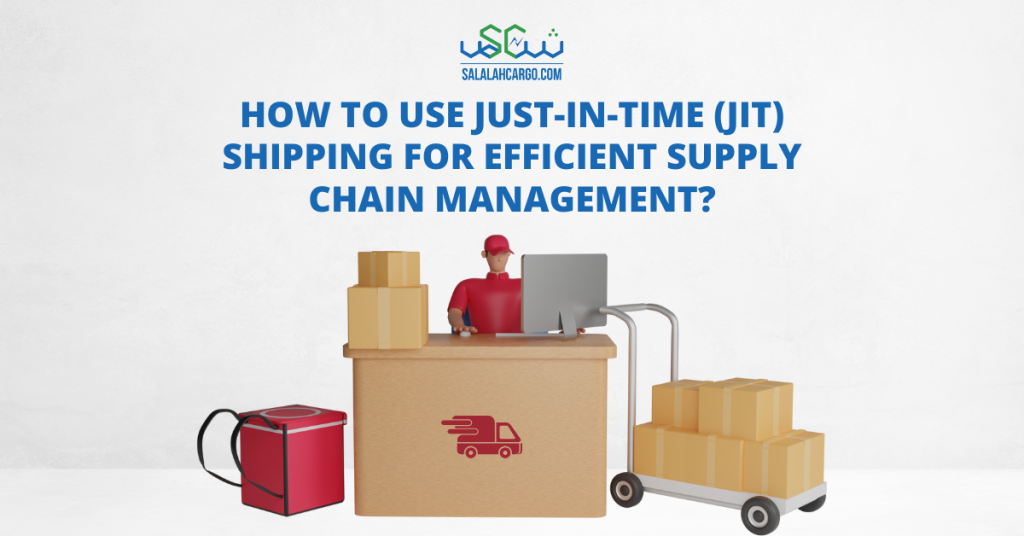
The Future of Supply Chain Management - Are You Ready?
Suppose a world where your inventory is always perfectly aligned with demand, your products arrive just in time, and your customers are never left waiting. Sounds like a dream, right? But what if we told you that this dream can become a reality with Just-In-Time (JIT) shipping?
In today’s business environment, JIT supply chain management has become more than just a trend it’s an updation. Companies that embrace JIT inventory management are slashing costs, boosting efficiency, and gaining a competitive edge that others are still trying to catch up to. But how exactly does JIT shipping work, and why are businesses worldwide making the switch? Could JIT logistics be the secret to your success?
In this post, we’re about to get enter into the world of JIT shipping and reveal how this powerful strategy can transform your supply chain management. From the magic behind lean manufacturing logistics to the real-world impact of JIT delivery systems, we’ll explore everything you need to know. So, are you ready to discover how to achieve maximum supply chain efficiency and elevate your business to new heights?
KEEP READING to explore the secrets of JIT shipping. Your business might never be the same again.
What is Just-In-Time (JIT) Shipping?
Understanding the JIT delivery system
Just-In-Time (JIT) shipping refers to a strategy where goods are delivered precisely when they are needed, minimizing the need for excessive inventory and reducing warehousing costs. With this system, businesses receive products only when required for production or sale rather than storing large amounts of stock. By adopting a JIT delivery system, companies can ensure that they are not overstocking goods while still meeting customer demands efficiently.
The Importance of JIT Supply Chain Management
One of the primary goals of JIT supply chain management is to eliminate inefficiencies in the supply chain. It achieves this by ensuring that raw materials, products, and parts are delivered when needed, avoiding delays and reducing the costs associated with excess inventory. By managing the flow of goods precisely, businesses can optimize their production schedules, increase supply chain agility, and enhance overall customer satisfaction.
Benefits of Implementing JIT Shipping
Reduced Inventory Costs
One of the most significant advantages of JIT inventory management is the reduction in inventory holding costs. By receiving goods only when needed, companies can avoid the costs of storing large quantities of stock. In addition, less money is tied up in inventory, allowing businesses to allocate resources more effectively elsewhere.
Improved Supply Chain Efficiency
With a JIT logistics strategy, the flow of materials and products is carefully planned, ensuring that the correct items arrive at the right time. This helps to simplify the entire supply chain, reducing bottlenecks and inefficiencies. The faster products reach their destination, the more quickly companies can respond to customer demands and market changes.
Enhanced Customer Satisfaction
JIT shipping enables companies to deliver products faster and more accurately. This leads to higher customer satisfaction, as customers receive their orders quickly and without delay. With the ability to fulfill orders on time, businesses are more likely to build strong, long-term relationships with their clients.
Increased Flexibility and Agility
A JIT delivery system increases a company’s ability to adapt quickly to changes in demand. Since companies don’t rely on extensive inventories, they can scale up or down production based on real-time needs. This makes it easier to manage fluctuations in the market and respond to changing customer preferences.
How JIT Shipping Works in Supply Chain Management
Steps Involved in a JIT Shipping Process
The implementation of a JIT logistics strategy involves several key steps that ensure the smooth flow of goods throughout the supply chain:
Step 1: Accurate Forecasting
For JIT inventory management to work effectively, accurate demand forecasting is crucial. Companies must accurately predict customer demand, which will dictate when and how much stock needs to be ordered. Precise forecasting helps ensure that the supply chain remains efficient and responsive.
Step 2: Supplier Coordination
In a JIT shipping system, businesses must maintain close relationships with their suppliers. Timely deliveries are crucial, so companies must coordinate effectively with their suppliers to ensure they can meet the required demand. This can involve real-time communication, long-term contracts, and tracking systems that enable smooth collaboration.
Step 3: Optimized Transportation
To ensure timely delivery, logistics providers must optimize their transportation methods. Whether through road, rail, air, or sea, businesses must choose the most efficient and cost-effective transportation. This reduces delivery time and minimizes the chances of delays, which is essential for JIT supply chain management.
Step 4: Just-in-Time Receiving
Once goods arrive at their destination, they should be received promptly and processed without delay. This involves having a rationalised receiving process that reduces the time spent handling incoming shipments. Businesses can then immediately move goods to the production line or distribute them to customers, ensuring no delays in fulfilling orders.
Overcoming Challenges in JIT Shipping
While JIT supply chain management offers numerous benefits, implementing it successfully requires addressing several potential challenges:
Risk of Disruption
Since JIT inventory management relies on timely deliveries, any disruption in the supply chain can lead to production delays or stockouts. Companies must have contingency plans, such as backup suppliers or emergency stock, to minimize risks and ensure smooth operations.
Supplier Reliability
A JIT logistics strategy depends heavily on the reliability of suppliers. A supplier failing to deliver goods on time can disrupt the supply chain. To mitigate this, businesses must build strong relationships with their suppliers and ensure robust performance tracking and monitoring systems are in place.
Transportation Delays
Delays in transportation can disrupt the entire JIT system. Whether caused by weather, accidents, or customs issues, transport delays can cause bottlenecks. Using various transportation methods and maintaining communication with logistics partners can help mitigate these risks.
How to Get Started with JIT Shipping
Assess Your Current Supply Chain
Before implementing JIT shipping, businesses should evaluate their existing supply chain processes. This includes assessing the effectiveness of inventory management, transportation, and supplier relationships. Identifying areas of inefficiency can help abridge operations and prepare for a smoother transition to JIT.
Implement Lean Manufacturing Logistics
Adopting lean manufacturing logistics principles is crucial for a successful JIT supply chain management system. Lean principles focus on reducing waste, improving quality, and maximizing customer value. By integrating lean practices into your logistics strategy, you can enhance efficiency and ensure that JIT operations run smoothly.
Work with Trusted Logistics Partners
Selecting the proper logistics providers is key to the success of your JIT shipping strategy. You’ll need partners who understand the importance of timely deliveries and who are capable of managing the complexities of a JIT system. Reliable transportation, technology integration, and real-time communication are essential when selecting logistics partners.
Maximize Efficiency with JIT Shipping
Just-In-Time (JIT) shipping is a powerful strategy for improving supply chain efficiency, reducing costs, and meeting customer demands on time. By adopting JIT inventory management and a JIT logistics strategy, businesses can abridge operations, reduce waste, and gain a competitive edge. However, successful implementation requires careful planning, reliable suppliers, and optimized transportation.
With the right approach, JIT shipping can revolutionize your supply chain and drive sustainable growth.
Happy Moving!